To be an alpinist is to be literate in the mountains. Fluent enough in rock, ice, snow, and risk to move efficiently, read the terrain, and make good decisions for the best outcomes.
Alpinism is often misunderstood as an end state: a summit photo, a resume of routes, or a level of technical mastery that says, “you’ve made it.” In reality, it’s a process of accumulation and integration of experiences and skills. It’s built slowly, where a solid foundation of skills outweighs physical performance. To reach this level, climbers should spend time focusing on individual components, deliberately building skills that translate into big, long days in the mountains.
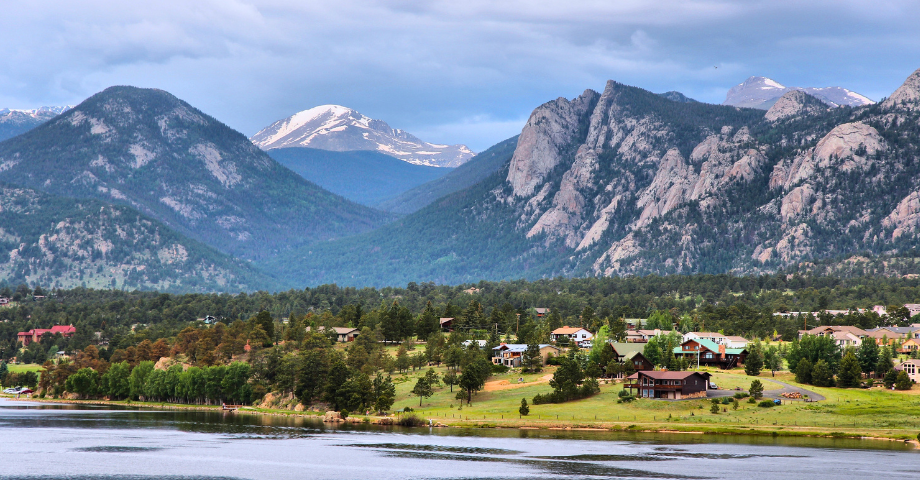
Rocky Mountain National Park is one of the top locations to grow in all aspects of being an alpinist. Situated just north of Boulder, the park offers climbers an ideal venue to develop specialized skills and then test them on some of the country’s premier alpine routes. With objectives available year-round, climbers can build solid foundations and pick a goal to strive for. Here are the primary skills for a climber to grow from beginner to competent alpinist in the mountains, and some test pieces for motivation.
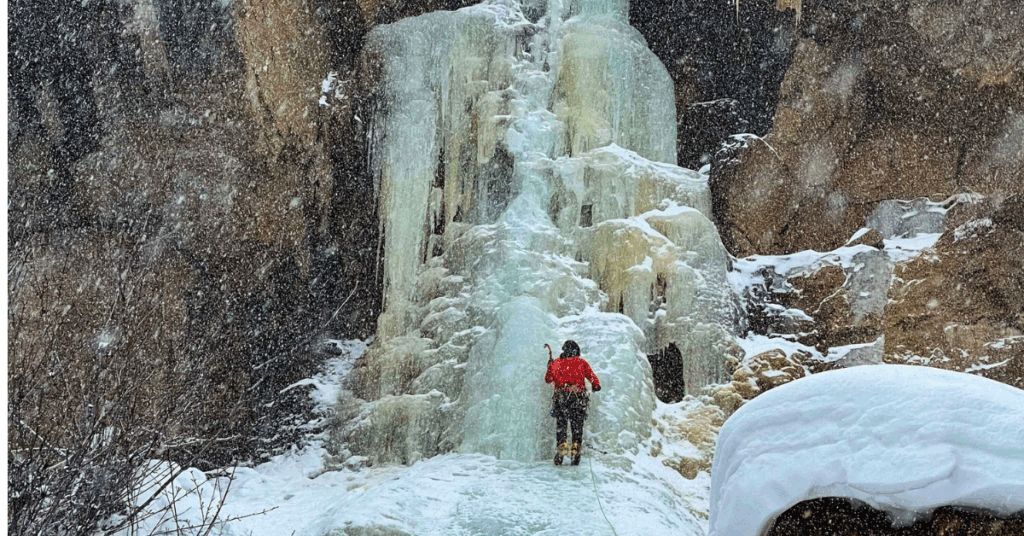
Ice and mixed climbing is, in my opinion, the ultimate “punk rock” discipline. You learn the “rules” so that you can eventually break them. There are foundational techniques, but how those techniques are applied becomes highly individual. Over time, climbers adapt them to their own bodies, strengths, and movement styles, turning a rigid skill set into something closer to an art form.
Progression in ice and mixed climbing is slower than in rock climbing. You cannot simply muscle your way to the top. Instead, success comes from intentionality and precision. This discipline rewards patience, efficiency, and thoughtful decision-making.
One Place to do it: Hidden Falls is a short-approach ice and mixed venue in the Wild Basin of Rocky Mountain National Park. Reliable winter ice and easy top-rope setups make it an ideal spot to dial in tool placement, footwork, and movement efficiency before stepping into longer alpine routes.
What’s better than spending a day at the crag with friends, pushing yourself on a single climb? Stacking those climbs on top of one another. Multipitch rock climbing is where technical skill begins to merge with systems, strategy, and endurance.
Multipitch skills go far beyond simply getting to the top of a cliff. They are about efficiency, building anchors quickly, managing ropes cleanly, transitioning smoothly, and maintaining awareness of your partner and the terrain. Strong multipitch climbers know how to move efficiently and how to slow down, breathe, and enjoy the exposure. These skills form a critical bridge between single-pitch climbing and the longer, more complex demands of alpine objectives.
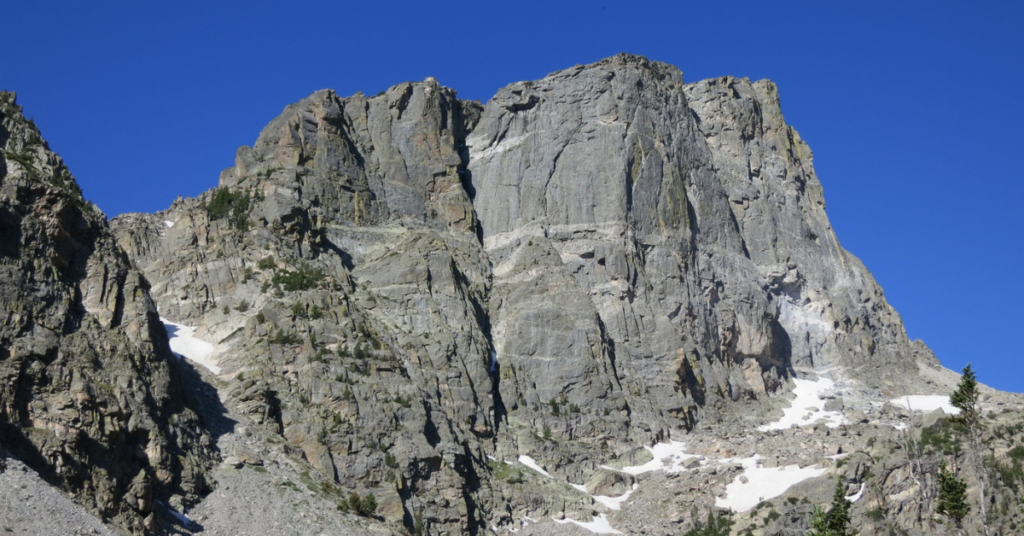
One Place to do it: Great Dihedral is a classic moderate multipitch climb on Hallett Peak, featuring clean granite, an obvious corner system, and engaging crack and dihedral movement. Three quality pitches make it an ideal venue to practice efficient transitions, solid gear placements, and moving confidently above the ground.
There are two mantras to moving through the mountains. One is “slow is smooth, smooth is fast.” The other is “summit or plummet.” One of these approaches is objectively more fun.
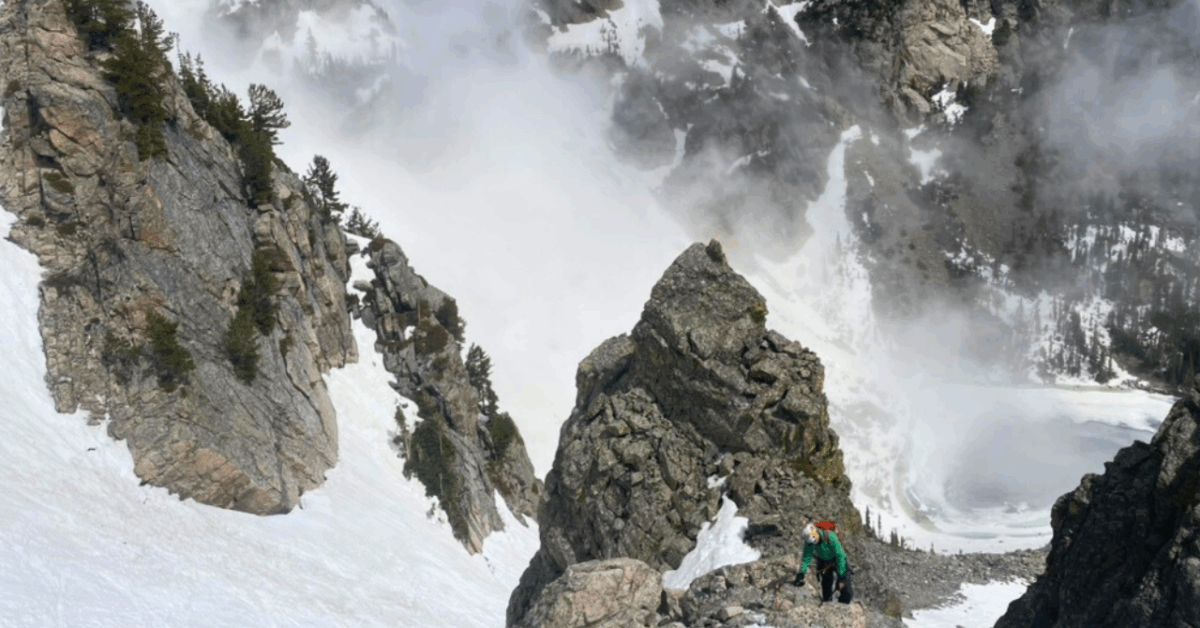
Mountaineering is where efficiency becomes paramount. Techniques like the rest step, pacing, and terrain assessment can make the difference between an engaging challenge and a miserable sufferfest. More than any single technical skill, mountaineering teaches climbers how to manage energy, time, and risk over long days. It is about stacking small efficiencies, making conservative decisions early, and understanding that success often comes from restraint rather than aggression.
One Place to do it: Dragon’s Tail Couloir is a classic spring snow climb on Flattop Mountain that climbs roughly 1,800 feet of steep snow up from Emerald Lake. With slopes up to about 50 degrees and a few rock and ice steps, it rewards efficient snow travel, competent route finding, and smart timing before topping out with big views of the park.
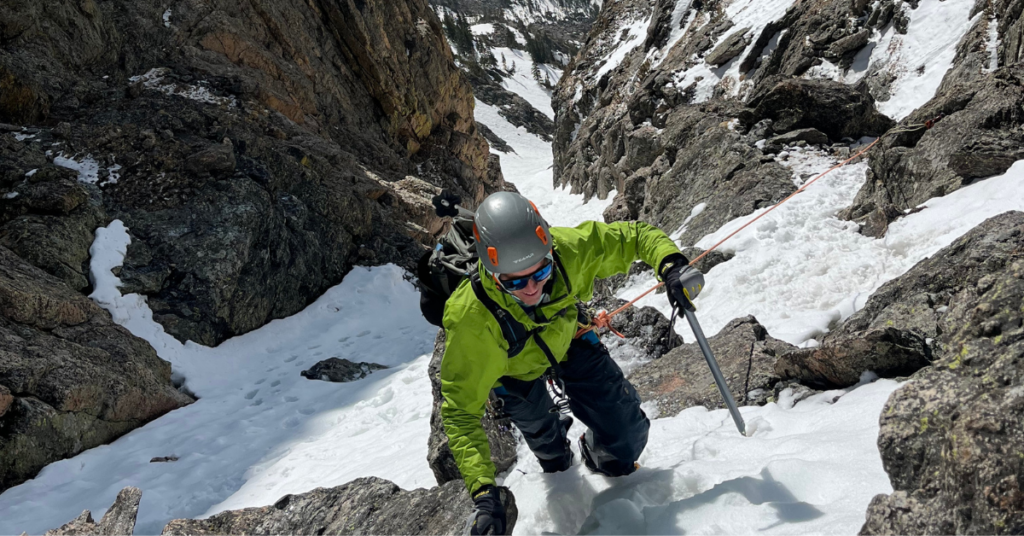
Once you have built a foundation across these disciplines, it is time to put everything together. Test pieces are routes or objectives that demand integration of one’s total experience. They require rock skills, snow and ice movement, efficient transitions, route-finding, and good judgment.
These objectives are not about chasing grades or checking boxes. They are about assessing readiness, learning how your skills interact under fatigue, and discovering where weaknesses still exist. Test pieces reveal whether systems hold up when conditions change, weather moves in, or plans need to adapt. More importantly, they reinforce the idea that alpinism is not about mastery of one discipline, but competence across many.
One Place to do it: The Flying Dutchman is a classic alpine couloir rising about 1,600 feet from Chasm Lake with sustained steep snow and short technical ice/rock steps. It’s an ideal way to test the skills you’ve been building and a first step into more technical mountaineering.
Whether a week-long course or years of experience, an aspiring alpinist should focus on these skills individually to set them up for success on test routes and their dream climbs in the mountains. Progression in alpinism is rarely linear, and competence is built through patience, repetition, and honest self-assessment. Over time, these stacked experiences create the confidence to move play in the mountains all over the world.
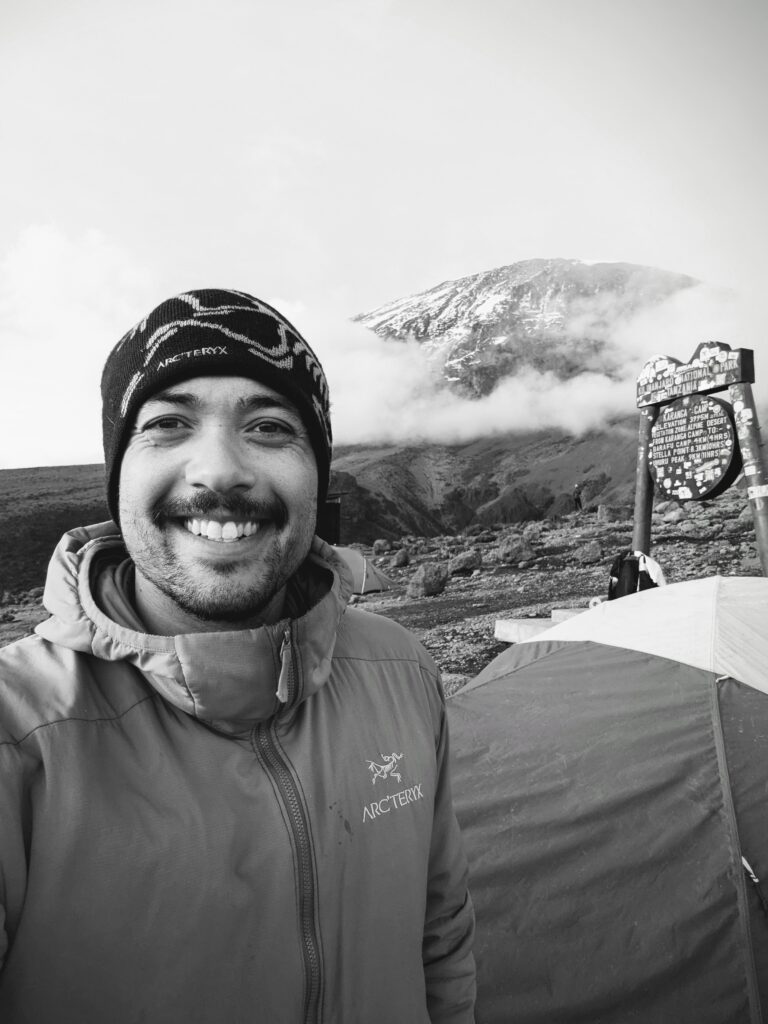
Written by: Marcus Bailado
Marcus has guided everywhere from the backcountry of the lower 48 to big Alaskan and international peaks. Sharing alpine experiences is one of his greatest joys. A lifelong learner, Marcus loves exploring questions with his guests and colleagues, and geeking out wherever he can along the way.




Content Copyright © 2026 of Golden Mountain Guides. All rights reserved. | Privacy Policy | Site Map
 (720) 598-2864