Imagine this – you and your climbing partner are halfway up that classic multi-pitch route and the unthinkable happens…rockfall resulting in an injury. As a solid climbing partner, it’s your responsibility to know the skills to rescue the team. In moments like this, knowing climbing self rescue techniques like the Block and Tackle aren’t just handy – they’re essential.
One of the most powerful tools in a climber’s self rescue kit is the Block and Tackle system. This get out of jail free card allows us to move injured partners, equalize anchor components, haul loads, or unweight systems that we mistakenly weighted.
This blog post will walk you through:
Understanding this rescue system can dramatically increase your capabilities as a climbing partner and rescuer – whether you’re trad climbing, alpine climbing, or ice climbing.
The Block and Tackle has been around since at least the 3rd century BCE and is credited to Archimedes. In antiquity, pulley systems were used for construction and moving very heavy loads. More recently, these have been used aboard cargo ships to load and unload supplies.
In its simplest form, the Block and Tackle is a mechanical hauling system that allows a person to lift heavy loads. Blocks (or pulleys) are used in conjunction with ropes (tackle) to make lifting an object easier.
Now you might be asking yourself – how does this apply to climbing? Well it’s simple. The situation may arise where you need to haul your partner, unweight a loaded carabiner, or move a load a short distance.
Imagine the following:

Whatever the reason, the Block and Tackle is a great tool for those unique situations where you have to unweight some type of climbing gear.
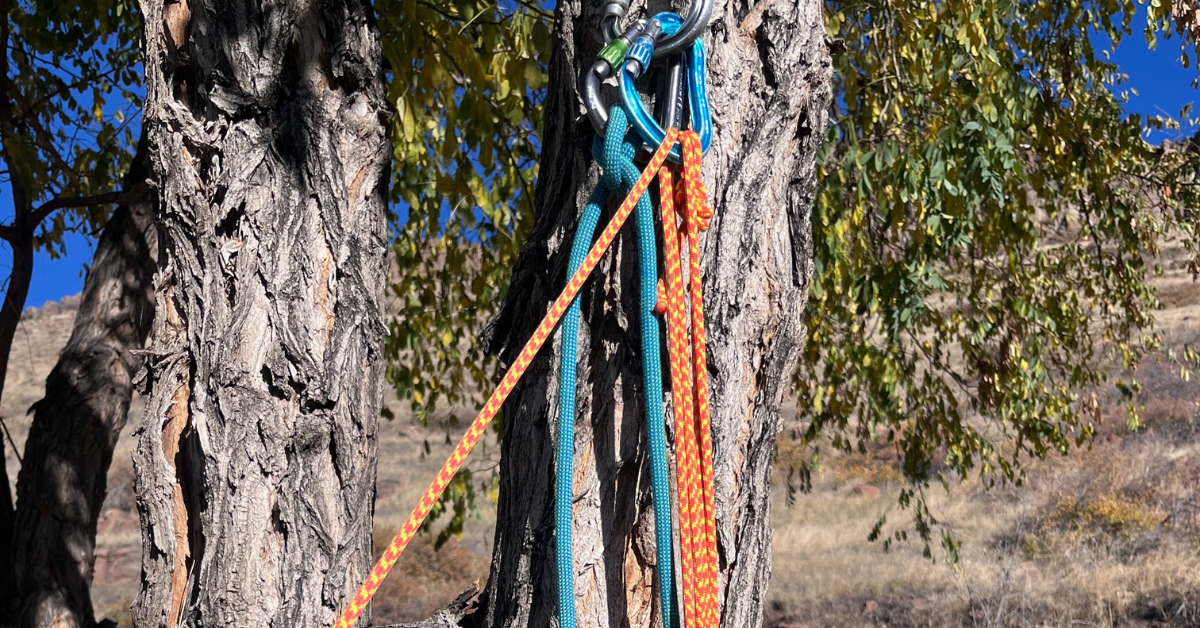
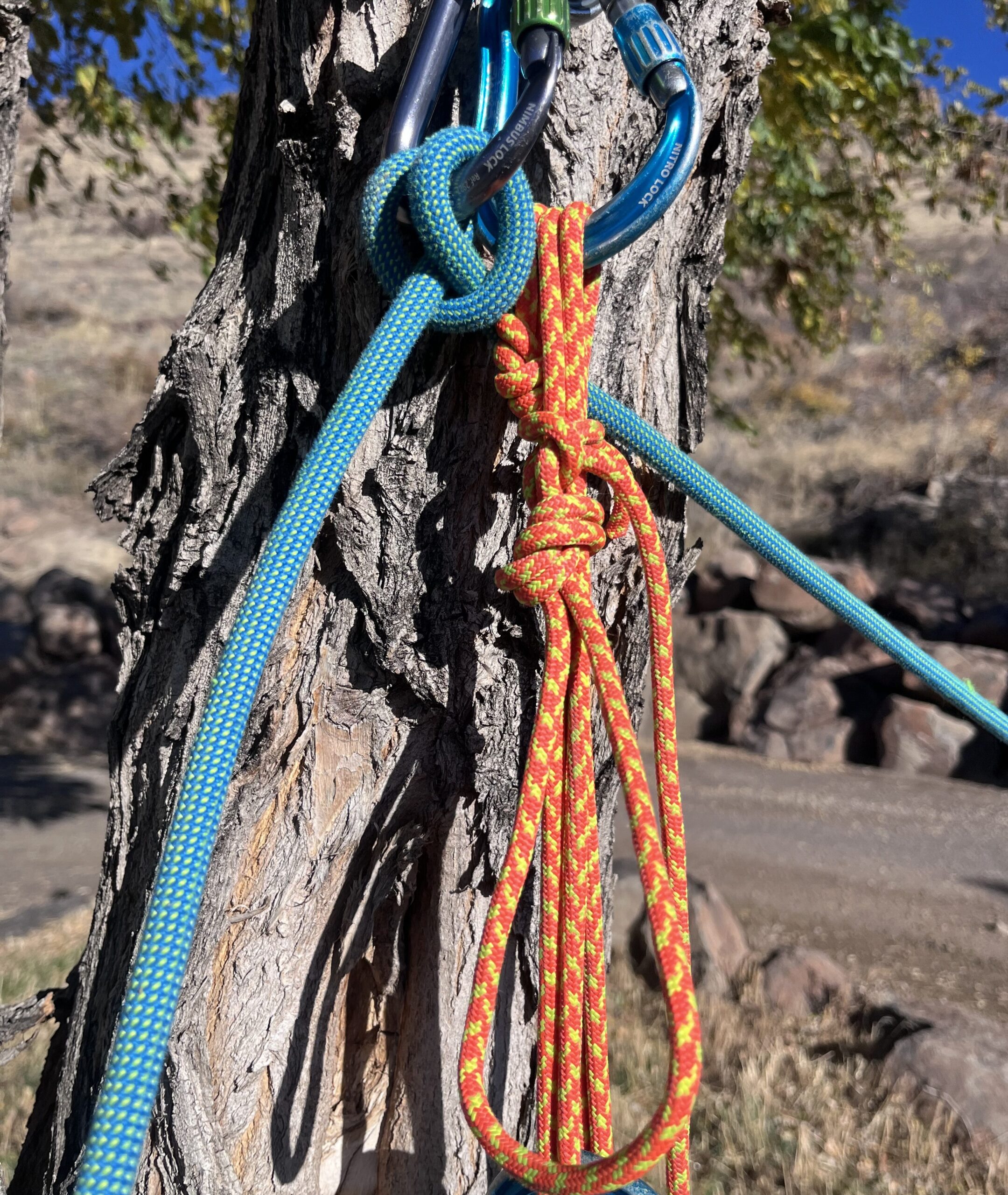
Rigging a Block and Tackle hauling system for climbing is actually quite simple and takes a minimal amount of gear. Simply put, all you need a two blocks (carabiners) and some sort of tackle (cordellette or climbing rope). Depending on the scenario, you may also need some sort of friction hitch material.
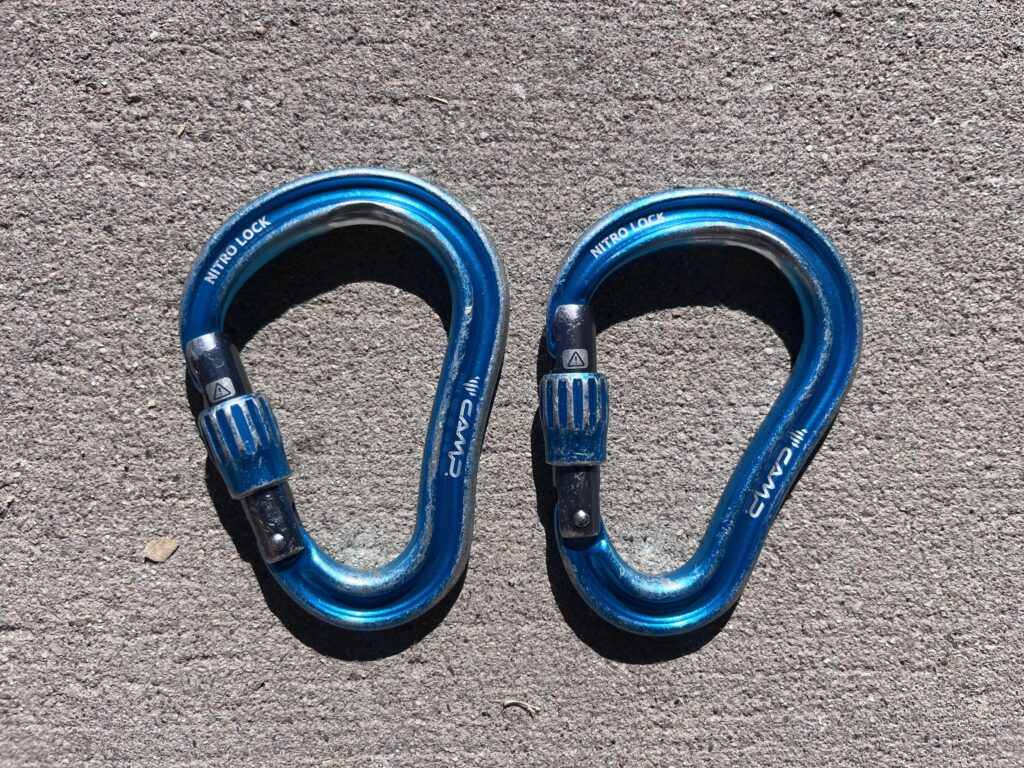
Two locking carabiners. CAMP Nitro Lock HMS carabiners are perfect for this as they are designed to have ropes moving through them.
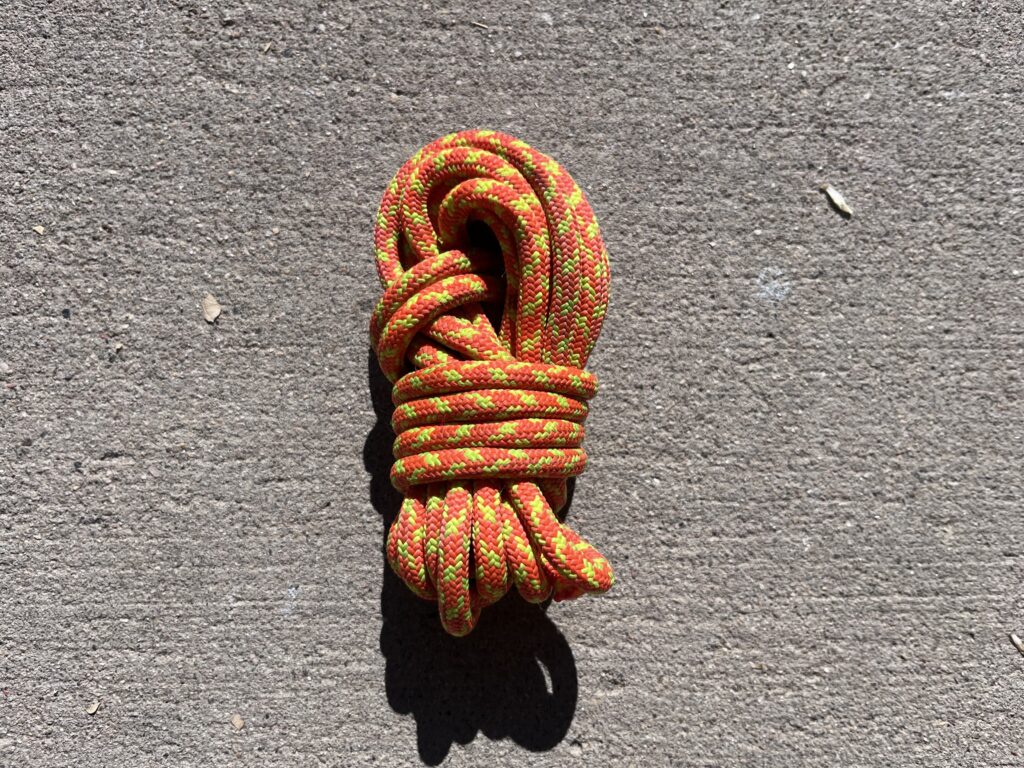
Cordellette. The longer the piece of cord, the longer your tackle will be and the easier it will be to haul. 20 feet is a good starting point.
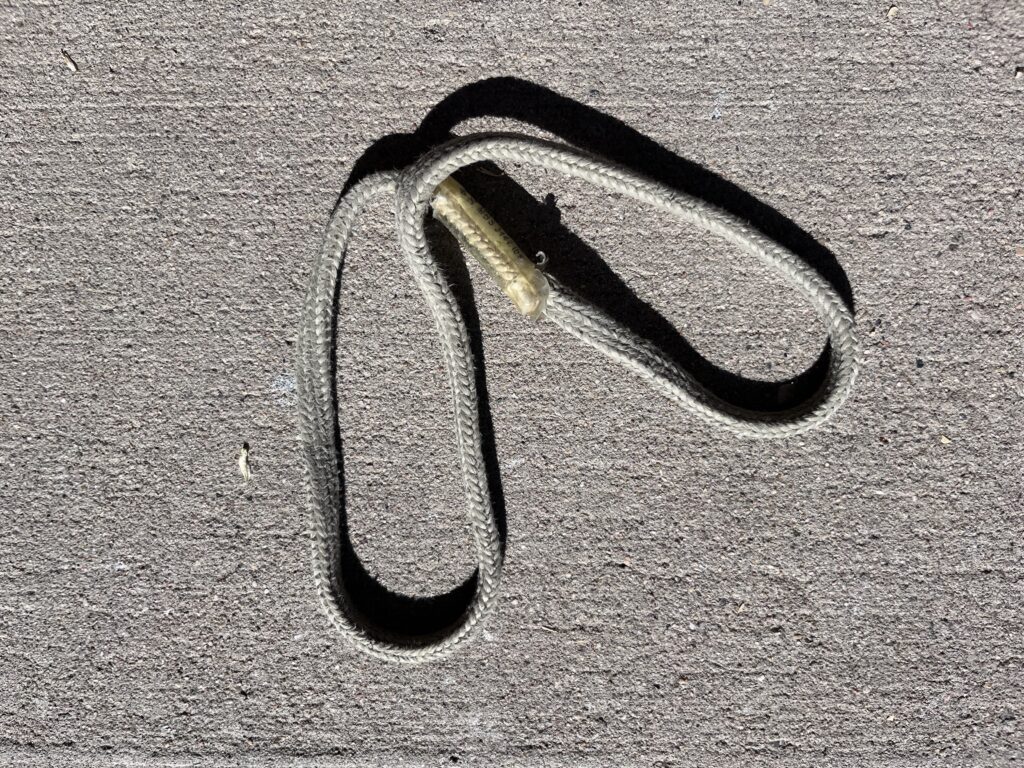
Friction hitch. Depending on the scenario, you may need something to “grab” the rope.
Rigging the Block and Tackle is easy and quick. Here are two methods you can try out!
Method 1 – No friction hitch
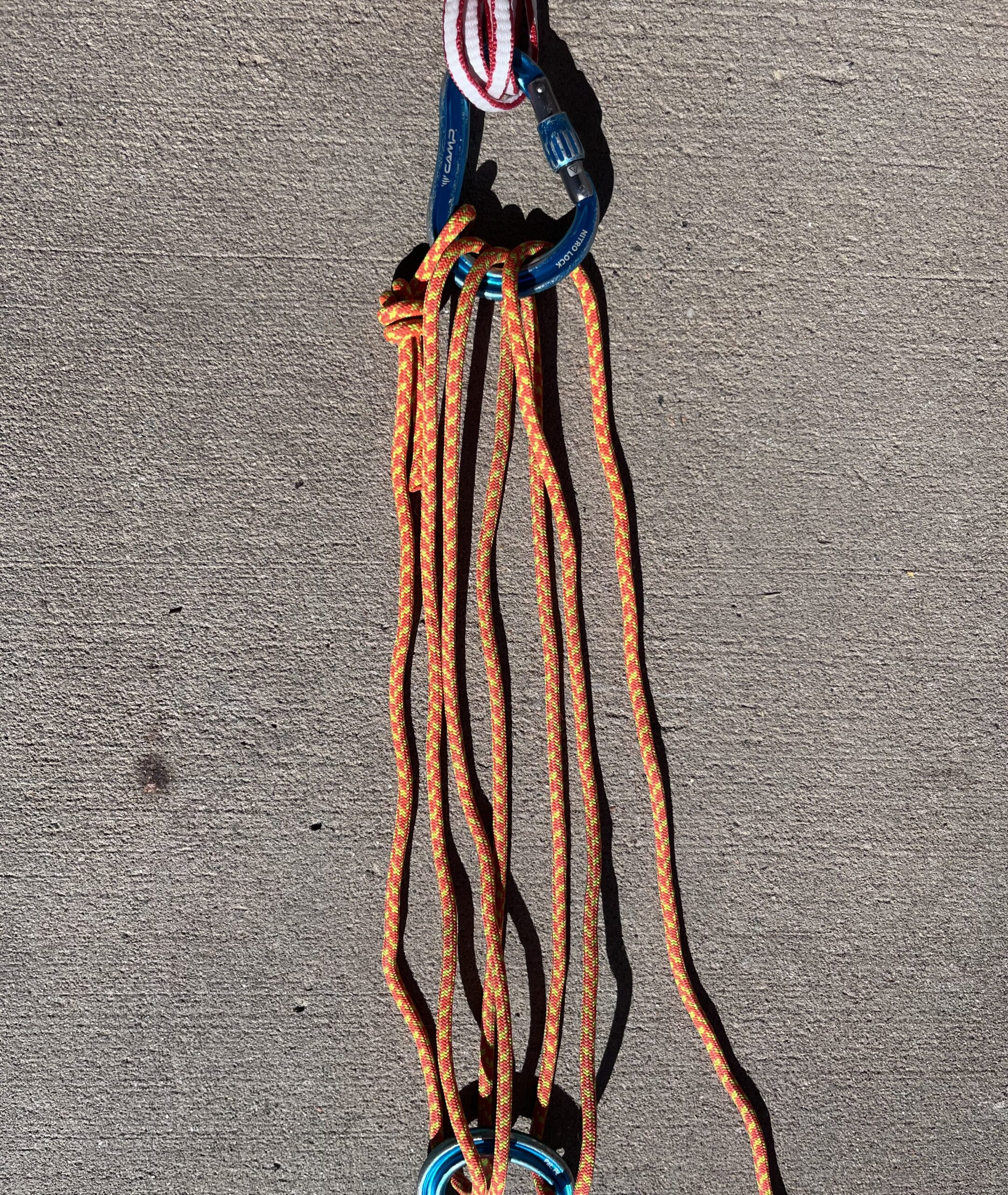
To tie a Block and Tackle without a friction hitch, you must be able to clip a locking carabiner to the load.
Next, clip another locking carabiner to the central point of the anchor. Fix one end of the cordellette to the locking carabiner on the central point using some sort of bite knot.
Now, begin creating loops with the cordellette between the two locking carabiners. Stop when you have just enough tail on the cord to pull down on.
Method 2 – friction hitch
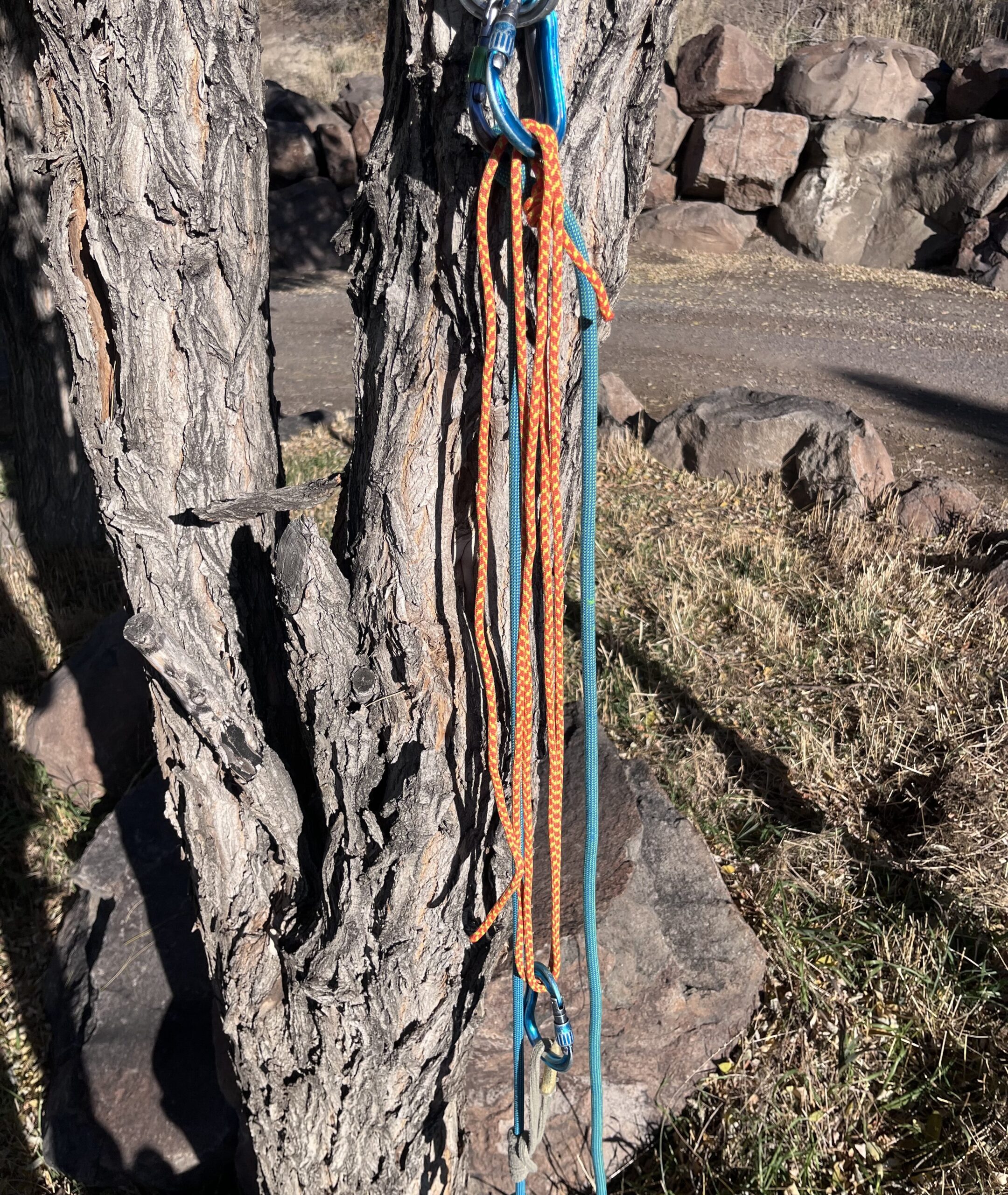
To rig a Block and Tackle with a friction hitch, first identify the load strand that you want to essentially unweight. Tie a Kleimheist around this loaded line and clip a locking carabiner to it.
Next, clip another locking carabiner to the central point of the anchor. Fix one end of the cordellette to the locking carabiner on the central point using some sort of bite knot.
Now, begin creating loops with the cordellette between the two locking carabiners. Stop when you have just enough tail on the cord to pull down on.
Extra Credit – tie off the system
Once you have hauled, it can be really nice to work hands free again. To maintain tension on the hauling system, you can tie off the Block and Tackle with a mule/overhand combo. Don’t know this one? Check it out here.
The Block and Tackle undoubtedly holds a place in the self rescue quiver that every climber should know. It is, however, a tool that needs to be applied in a certain way. For example, we would not want to haul a climber long distances with this system because it’s more difficult to capture upwards progress. A 3:1 haul could be a better solution here with a defined progress capture device.
As our “blocks” are carabiners, we do lose a lot of mechanical advantage in this system – making it unsuitable for long hauls.
The Block and Tackle can also be difficult to tie off once hauling has been completed.






Content Copyright © 2026 of Golden Mountain Guides. All rights reserved. | Privacy Policy | Site Map
 (720) 598-2864